Japonisme and the Impressionists
The Japanese woodblock craze of 19th century Europe
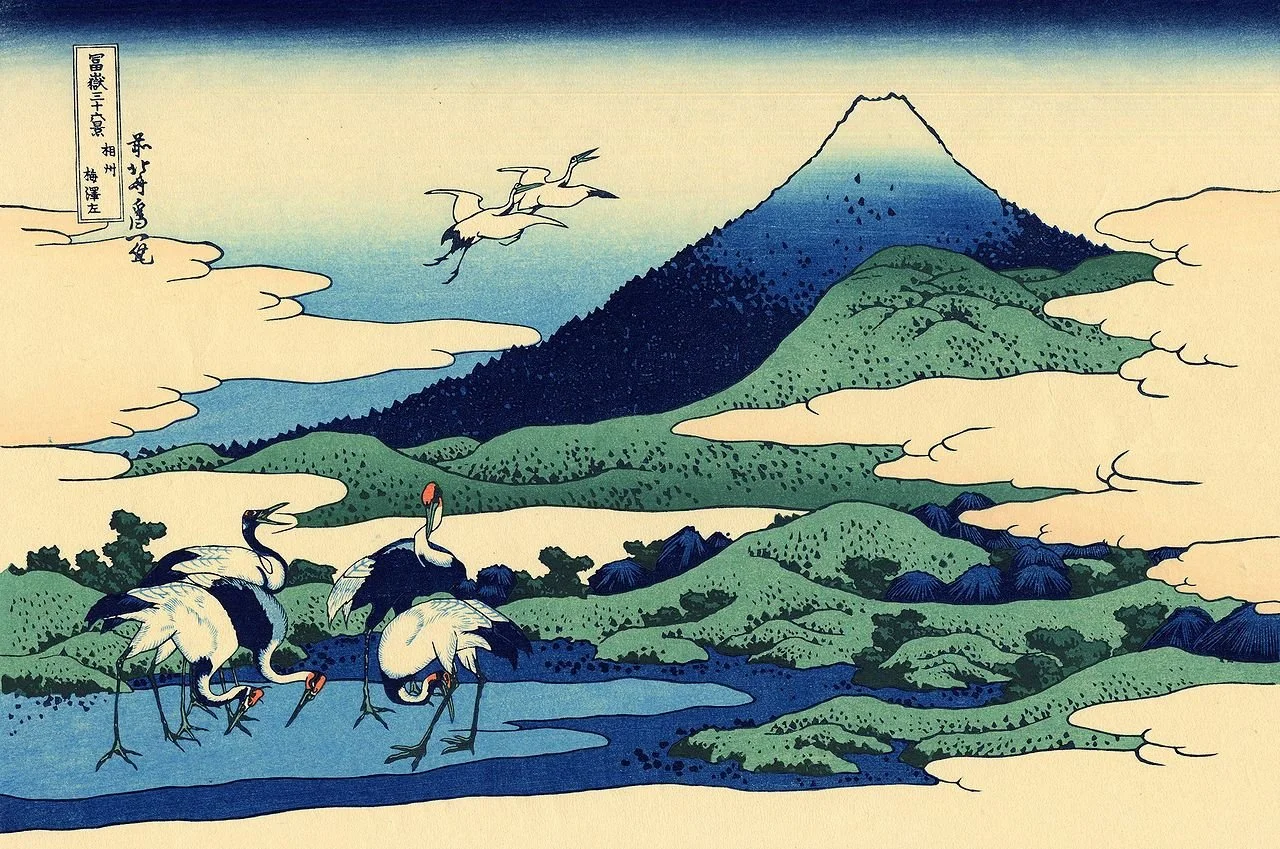
Japanese woodblock prints entered Europe in the second half of the nineteenth century and changed how many painters worked. After Japan opened to foreign trade in the 1850s, large numbers of objects reached Paris and London. Among them were ukiyo-e prints. They were made for an urban audience in Tokyo, and showed ordinary subjects: actors, courtesans, gardens, bridges, and street life. They used multiple carved blocks to build color and were often published in series. Hokusai’s Thirty-Six Views of Mount Fuji and Hiroshige’s One Hundred Famous Views of Tokyo are the best known examples.
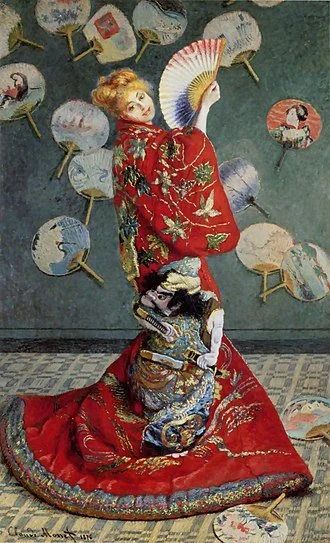
The prints spread quickly, sometimes as packing material for ceramics. Monet saw them in Holland. Whistler found them in London. Many collected them because they were inexpensive and easy to find. Some painters quoted them outright, such as Monet in Madame Monet en Costume Japonais (left). Others absorbed the lessons more quietly. Degas adopted the long formats, the high vantage points, and the idea that a picture could record a passing moment. Cassatt used similar ideas to show the daily lives of women. Lautrec borrowed the bold lines and actor portraits for his posters. Van Gogh copied Hiroshige prints directly. Monet’s late garden paintings, including the water lilies and the arched bridge, read easily next to Hiroshige’s gardens and river views.
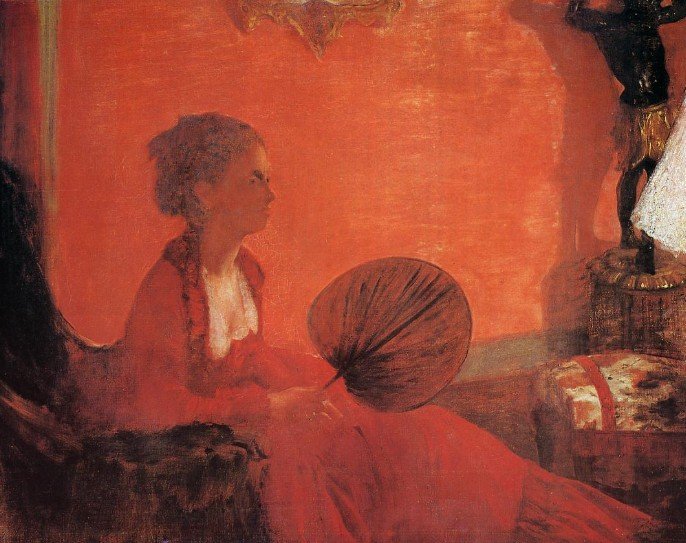
Madame Camus by Edgar Degas
European painters saw in these prints a different approach to composition. Space was flattened, color sat in broad fields, figures were stylized, cropping was abrupt.
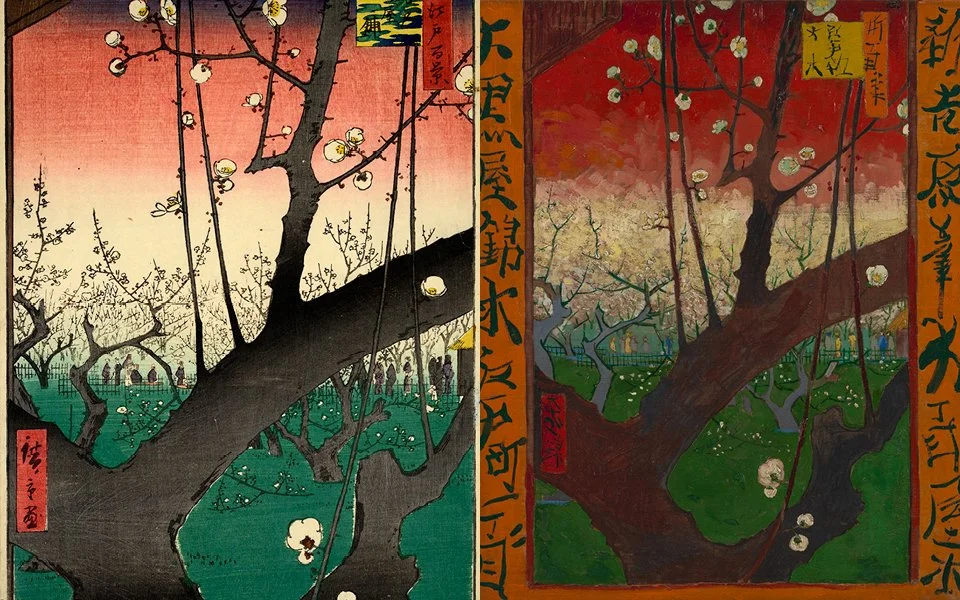
The viewpoint could be high, diagonal, or off center. For artists trained in academic realism, this was new ground. (Left) Vincent Van Gogh’s copy of Hiroshige.
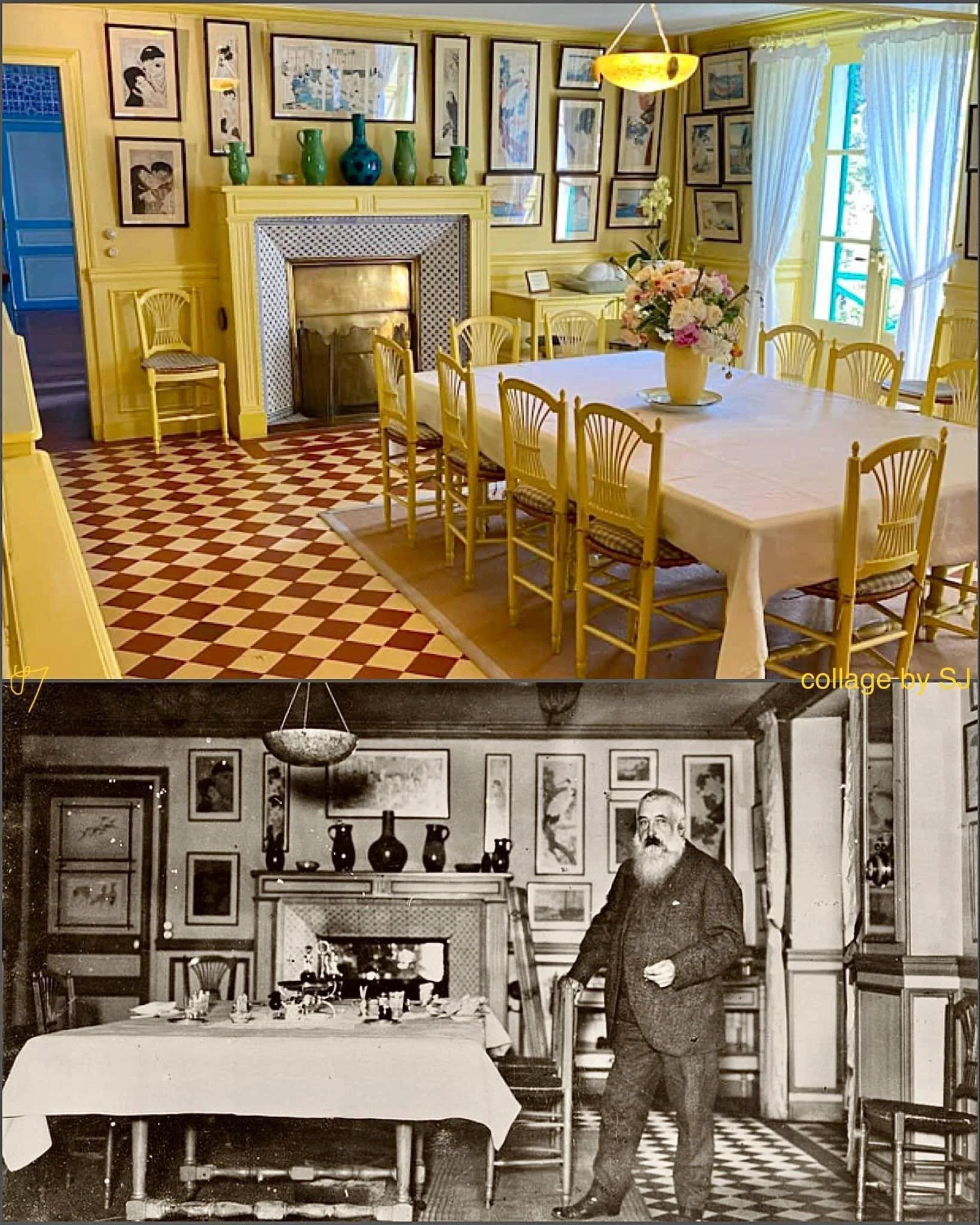
Claude Monet standing in his kitchen in Giverny; the walls adorned with his Japanese woodblock collection. You can still visit this house, preserved just as Monet left it.